

 Rachel •Mar 3, 2026
Back to ArticlesRachel •Mar 3, 2026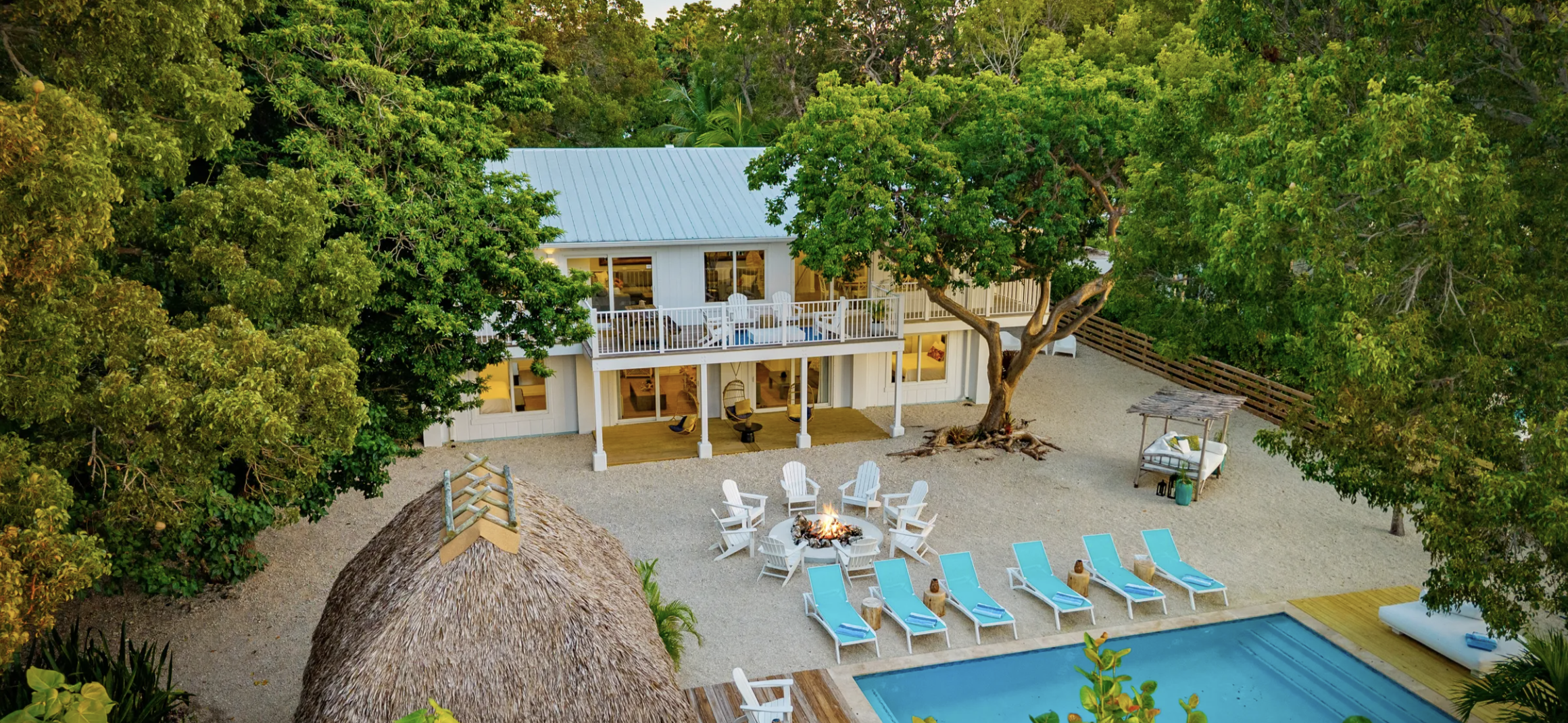
When is the Best Time to Visit Islamorada?
Rachel •Mar 3, 2026If you’re planning a Florida Keys escape, timing can shape everything from fishing conditions to flight prices. The best time to visit Islamorada depends on what kind of trip you want – peak-season sunshine and events, shoulder-season value, or quiet waterfront mornings with space to breathe.
This guide breaks down exactly when to visit Islamorada, season by season, so you can match the weather, crowds, and experiences to your ideal getaway.
Islamorada at a Glance
Peak season: December to April
Shoulder season: May and November
Low season: June to October
Warmest months: July and August
Coolest months: January and February
Rainiest period: Late summer and early fall
Best for fishing: Spring and early summer
Best overall balance: April and May
What’s the weather like in Islamorada?
Islamorada enjoys a tropical climate, which means warm temperatures year-round and two distinct patterns – dry season and wet season.
From December through April, the weather is sunny, breezy, and comfortable. Daytime temperatures typically sit in the mid-70s to low-80s°F. Humidity is lower, and rainfall is minimal.
From May through October, temperatures climb into the high 80s and 90s°F. Afternoon showers are common, especially in late summer. Hurricane season officially runs June through November, with peak activity between August and October.
Water temperatures remain inviting all year, ranging from the low 70s in winter to the mid-80s in summer.
→ Explore luxury Florida vacation rentals with Wander
Winter in Islamorada: December - February
Why Visit Islamorada in Winter?
For many travelers, winter is the best time to visit Islamorada. The air feels fresh, skies stay clear, and the ocean sparkles in cooler sunlight. It’s ideal for boating, fishing, paddleboarding, and sunset dinners without heavy humidity.
This is also peak season. Snowbirds and holiday travelers arrive in full force, so expect higher rates and busy marinas.
What to Expect from Islamorada in Winter?
Daytime temps: 74–80°F
Lower humidity
Minimal rainfall
Lively restaurants and charter boats
Winter is excellent for offshore fishing, reef snorkeling, and long afternoons on the water. Evenings are comfortable enough for outdoor dining without the sticky heat of summer.
Where to Stay in Winter: Wander Islamorada Retreat
For a winter escape built around boating and waterfront living, Wander Islamorada Retreat is a standout.
This seven-bedroom home sleeps 15 guests and features a heated waterfront pool framed by tropical lounge space and a tiki cabana. The 35-foot-wide deep-water dock is perfect for larger boats – a major advantage during peak fishing season. Paddleboards, kayaks, and dedicated boat trailer parking make getting out on the water seamless.
Winter mornings here mean stepping from your terrace onto your dock before most of the Keys have finished their coffee.
→ Book Wander Islamorada Retreat
Spring in Islamorada: March - May
Why Visit Islamorada in Spring?
Spring strikes a near-perfect balance. March still carries peak-season energy, but by April and May, crowds thin and rates soften. Temperatures warm slightly without reaching summer intensity.
For many travelers, this is when to visit Islamorada for the ideal mix of weather, fishing, and value.
What to Expect from Islamorada in Spring
Temps in the low to mid-80s°F
Increasing water clarity
Excellent sportfishing conditions
Fewer crowds by late April
April and May are often considered the sweet spot for anglers targeting tarpon and other prized species. Calm seas also make it prime time for paddleboarding and kayaking.
Where to Stay in Spring: Wander Islamorada Island
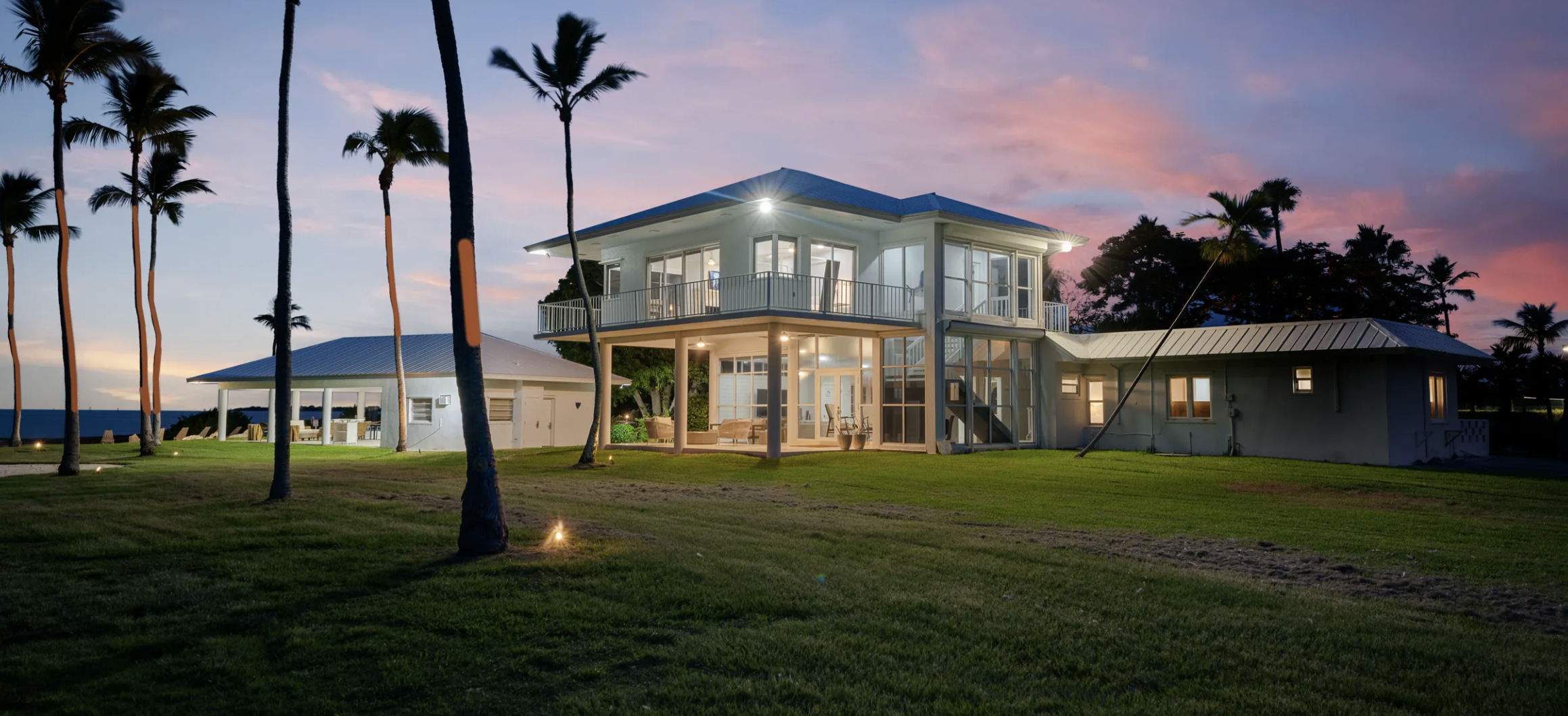
Wander Islamorada Island offers a rare level of privacy that feels especially special during spring.
Set on more than 15 acres of tropical landscape, this gated Caribbean-style retreat accommodates 12 guests across six bedrooms. A sparkling pool, private dockage, tennis court, and pool house create space for both activity and downtime.
Spring afternoons here feel expansive – long rallies on the tennis court, quiet moments at the dock, and sunset swims in calm Atlantic waters.
→ Book Wander Islamorada Island
Summer in Islamorada: June - August
Why Visit Islamorada in Summer?
Summer brings heat, humidity, and afternoon showers. It also brings fewer crowds and better pricing. Water temperatures are at their warmest, and long daylight hours mean extended beach time.
Morning activities are key during this season. Plan boating, fishing, or kayaking early, then relax indoors or by the pool during brief afternoon rain.
What to Expect from Islamorada in Summer
Temps in the high 80s to low 90s°F
Warmer ocean water
Afternoon thunderstorms
Quieter restaurants and roads
This is also a strong time for offshore fishing and sandbar gatherings.
Where to Stay in Summer: Wander Islamorada Beach
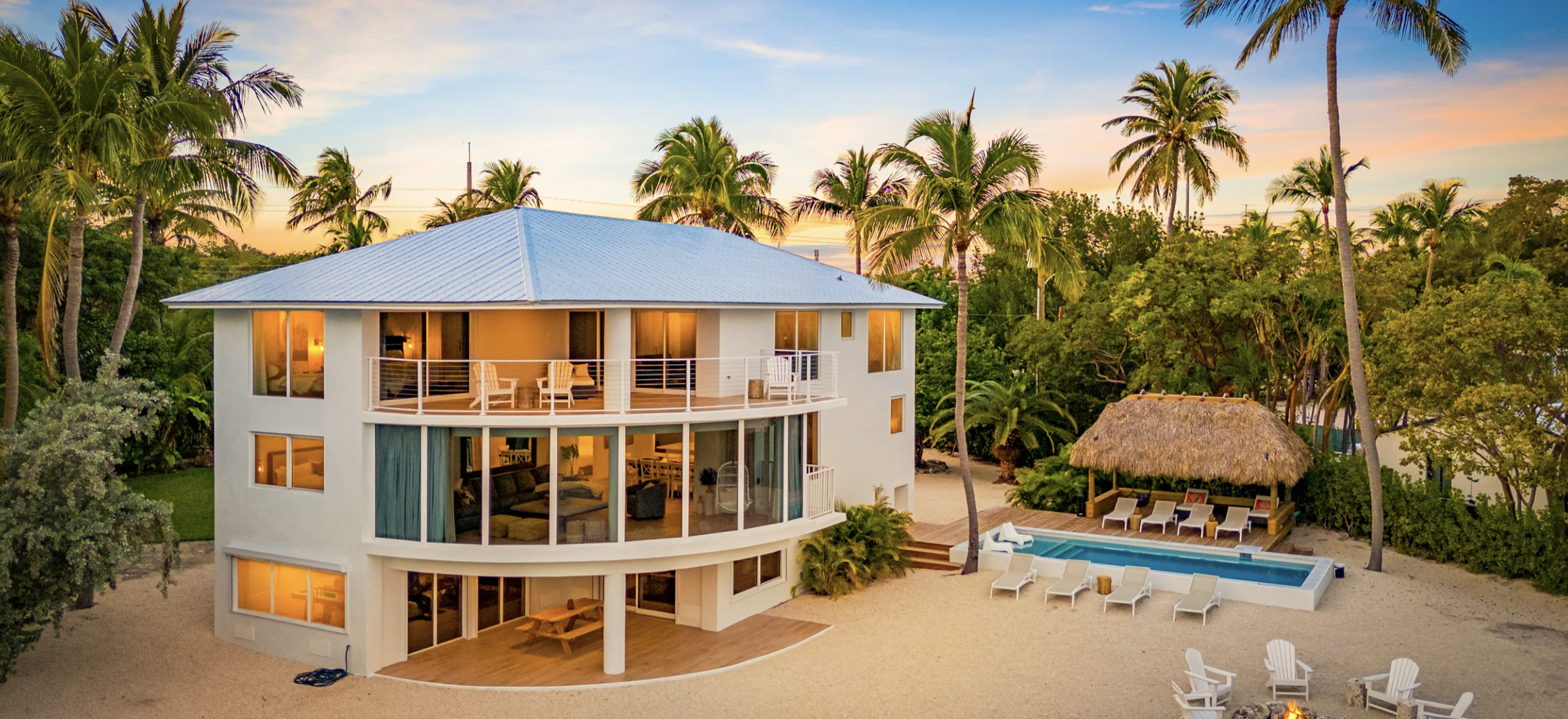
Wander Islamorada Beach shines in summer thanks to its rare natural beach and multiple indoor living areas.
This six-bedroom oceanfront home sleeps 12 guests and includes three living rooms, a social room, and two expansive terraces, including a third-story oceanfront terrace for panoramic views.
There’s also a private pool, beachfront access, shuffleboard court, firepit, paddleboards, and kayaks. Basically, there’s plenty to do, even if a rain shower rolls through.
Summer evenings here feel cinematic: warm air, glowing skies, and the sound of gentle waves from your terrace.
→ Book Wander Islamorada Beach
Fall in Islamorada: September - November
Why Visit Islamorada in Fall?
Fall is the quietest time of year. September and October carry hurricane risk and higher humidity, but November often marks a return to calmer weather.
Travelers willing to monitor forecasts are rewarded with lower rates and near-empty waters.
What to Expect from Islamorada in Fall
Fewer tourists
Discounted stays
Warm ocean temps
Potential tropical systems
Late October into November also marks the transition back toward dry-season comfort.
For fall travelers prioritizing privacy, either Wander Islamorada Island or Wander Islamorada Retreat offers seclusion and flexible indoor-outdoor living.
→ Explore Wander’s luxury Islamorada vacation rentals
FAQs about visiting Islamorada
Which is the Best Month to Visit Islamorada?
If choosing a single month, April often stands out. The weather remains dry and sunny, fishing conditions are exceptional, and peak-season crowds begin to taper off.
May is another strong contender for value and warmth without the height of summer humidity.
When is the Cheapest Time to Visit Islamorada?
Late August through early October typically offers the lowest rates. Travelers during this period should remain flexible and monitor weather patterns, as this overlaps with hurricane season.
When is the Rainy Season in Islamorada?
The wet season generally runs from June through October, with brief but heavy afternoon showers common in summer. Storms usually pass quickly, returning skies to sunshine.
How far is Miami to Islamorada?
Islamorada is approximately 80-90 miles south of Miami, depending on your starting point. The drive typically takes 1.5 to 2 hours via the scenic Overseas Highway (US-1).
It’s an easy, straightforward route with sweeping ocean views along the way, which makes Islamorada a popular long-weekend destination for Miami travelers.
Where is Islamorada located?
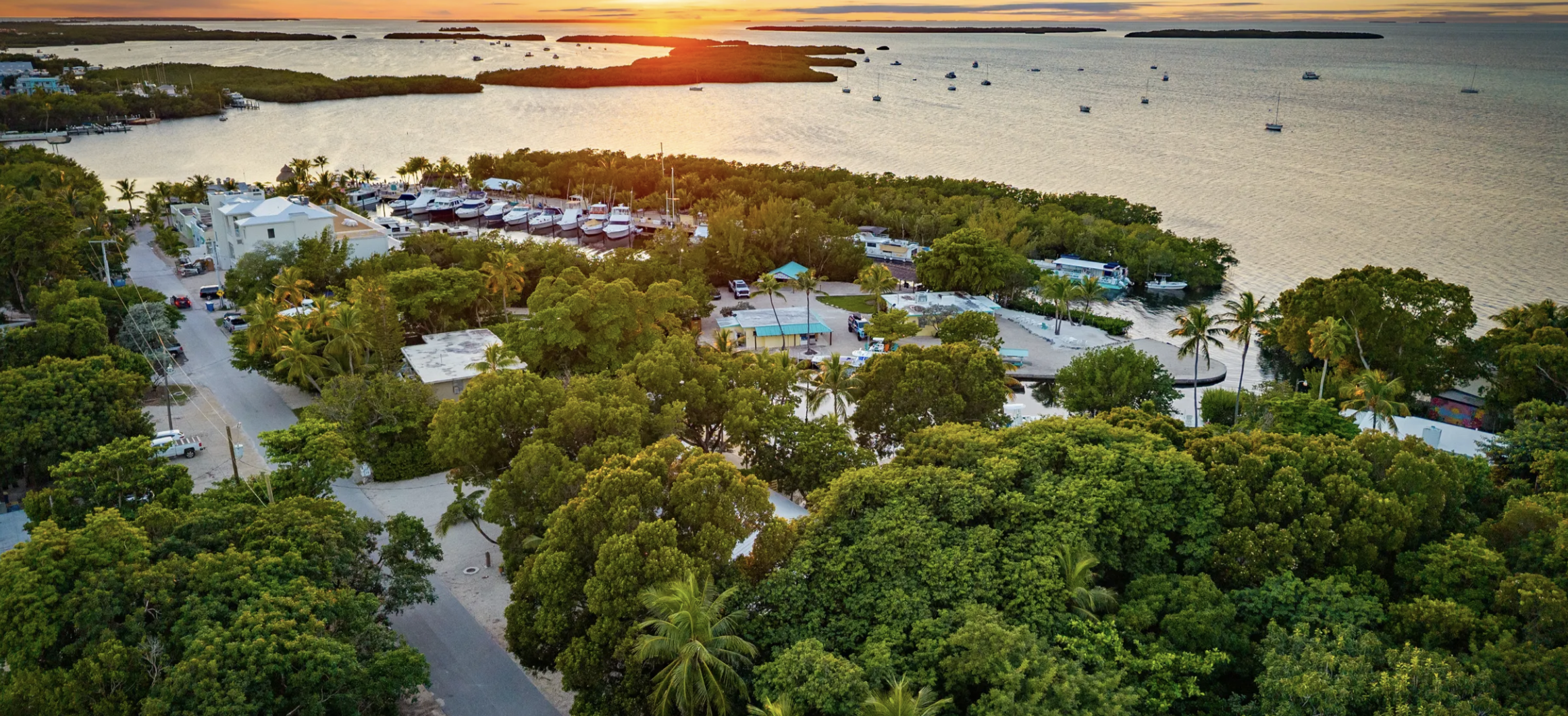
Islamorada is located in the Florida Keys, a chain of tropical islands stretching south from mainland Florida toward Key West.
More specifically, Islamorada sits in the Upper Keys, roughly halfway between Miami and Key West.
Islamorada known as the Sportfishing Capital of the World, it’s made up of several islands, including Plantation Key, Windley Key, Upper Matecumbe Key, Lower Matecumbe Key, and Tea Table Key.
How far is Key Largo from Islamorada?
Key Largo is about 20 miles north of Islamorada. The drive takes approximately 25-30 minutes along US-1.
Many visitors combine both destinations in one trip, since Key Largo offers renowned dive sites and state parks, while Islamorada is known for luxury waterfront stays, sandbars, and sportfishing.
How do you say Islamorada?
Islamorada is pronounced: Eye-lah-muh-RAH-duh.
The emphasis is on the third syllable – RAH. The name comes from Spanish and loosely translates to purple island.
What county is Islamorada in?
Islamorada is located in Monroe County, Florida.
Monroe County includes the entire Florida Keys, stretching from Key Largo in the north to Key West at the southernmost point of the continental United States.
So, When Is the Best Time to Visit Islamorada?
For most travelers, the answer is April or early May. You’ll enjoy warm water, excellent fishing, manageable crowds, and reliable sunshine.
If your priority is peak energy and postcard-perfect weather, a winter getaway would be the answer. If you’re seeking value and quieter surroundings, late summer and fall can be rewarding and flexible.
Whenever you go, one thing's for sure: Islamorada's year-round beauty is a stunning backdrop for a vacation you'll never forget.
→ Explore luxury Islamorada vacation rentals with Wander

Download the app
By signing up, you agree to our Privacy Policy and Terms of Service.